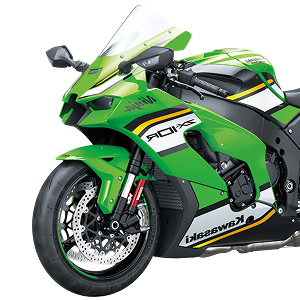
Kawasaki Ninja — A Legend of Speed, Style, and Technology
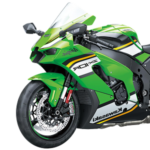
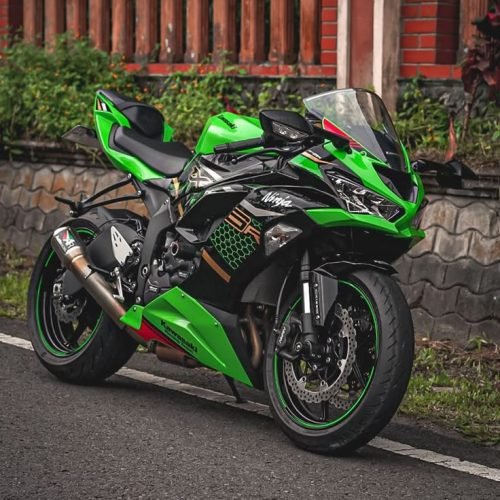
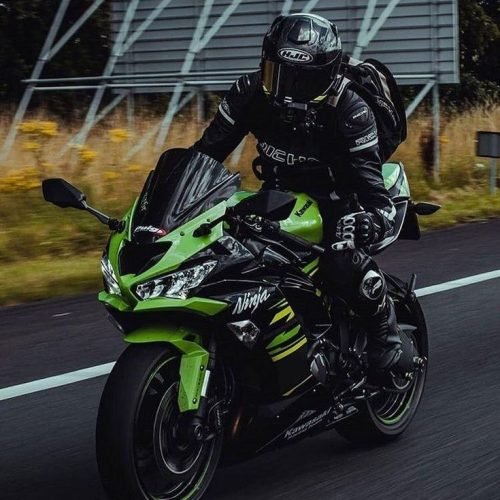
The Kawasaki Ninja is more than just a motorcycle name. It's a symbol of speed, tradition, and innovation that has been taking motorsports enthusiasts to the next level for decades. Its distinctive visual, technological capabilities, and energy transferred from the racetrack to the streets place it beyond competition.
🧬 History and Heritage
The history of the Kawasaki Ninja begins in 1984 with the GPZ900R—the first supersport motorcycle that broke speed limits and set new standards. Since then, Ninja has become a term automatically associated with powerful, lightweight, and technologically advanced street and track motorcycles.
The name Ninja is featured in many series, such as:
Ninja 400 — An excellent choice for beginners
Ninja 650 — A balance between everyday comfort and a sporty spirit
ZX-6R — A true representative of the racing series
ZX-10R — A model based on World Superbike Championship technology
Head-to-head — A brilliant masterpiece of excessive speed and engineering
Design — aggressive, but refined
The design of the Kawasaki Ninja is not just visual style—it's the product of aerodynamic engineering. Its pointed front end, low stance, bold lines, and LED lighting make it instantly recognizable to any motorcyclist.
Lens Composition: Dual LED headlight
Hardware: Digital display or TFT screen, depending on the model
Form: Sporty bracelet position focused on full control
Who is it for?
The various models of the Kawasaki Ninja cater to riders of all skill levels:
For beginners: Ninja 400 — lightweight, easy to handle, fuel-efficient
For the interim level: Ninja 650 — Ideal for the city and long distances
For experts: ZX Series (6R, 10R) — Extreme responsiveness and power
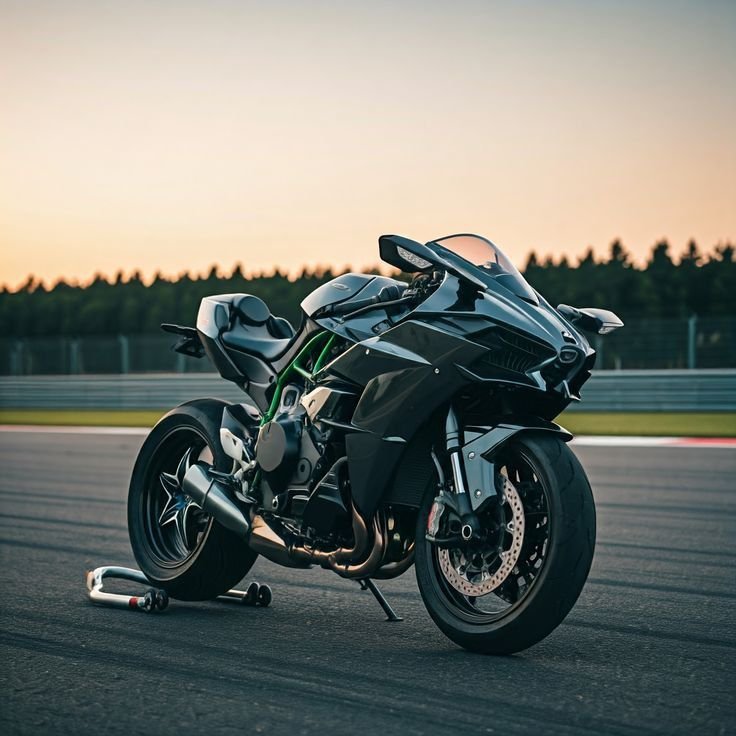
For professionals: Ninja H2/H2R — Supercharged, track-only
Other blogs
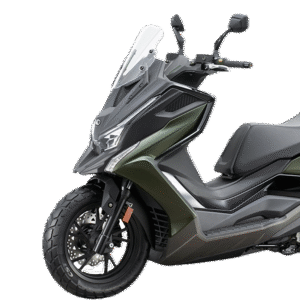
Water Scooters — Summer Adventures on the Waves
See more
ATVs — Durability Everywhere
See more
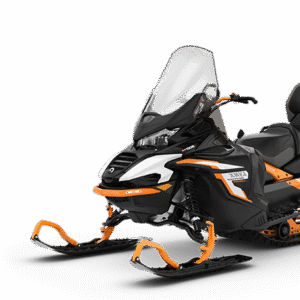
Snowmobiles — Winter Adventure Unleashed
See more
Motorcycles — Speed, Freedom, and Style
See more
Buggy CFMOTO ZFORCE 1000 — A New Dimension of Extreme
See more
Kawasaki Ninja — A Legend of Speed, Style, and Technology